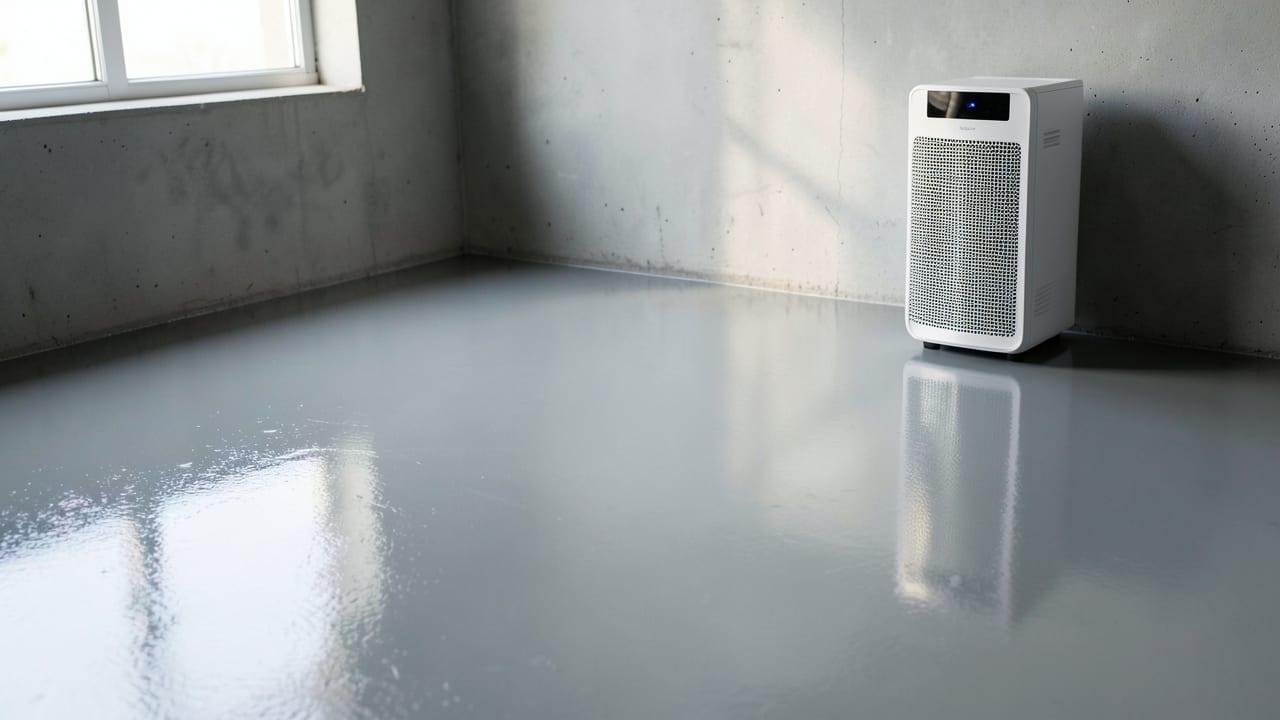
Post-Remediation Sealing
Applying protective sealants to surfaces after mold remediation to prevent future growth.
Post-remediation sealing in Pacific Beach, CA, involves applying protective coatings to surfaces after mold removal to prevent future growth. This step follows containment, removal, drying, and clearance testing to create a barrier against moisture and spores, helping treated areas stay protected over time.
Proper sealing is especially important in humid coastal climates like Pacific Beach, where hidden moisture can lead to recurrence.
We also handle Drywall Mold Remediation and Bathroom Mold Removal for Pacific Beach properties.
When is sealing needed?
Sealing is typically done after mold remediation when porous materials like drywall or insulation have been removed and non-porous surfaces—such as framing, tile, or concrete—are treated.
The goal is to create a moisture-resistant barrier that discourages regrowth, particularly in areas where moisture control is challenging, like basements, bathrooms, or windowless rooms.
Signs that sealing may be necessary include visible mold returning after cleanup, persistent dampness in a room, or a musty odor that lingers despite previous remediation.
If moisture sources (like leaks or poor ventilation) haven’t been fully addressed, sealing helps mitigate the risk of recurrence by limiting how much moisture the treated surfaces can absorb.
Signs You May Need Post-Remediation Sealing
- Mold reappears in the same spot within months after cleanup.
- The room has poor airflow or stays damp even after fixing visible leaks.
- You notice a musty smell that worsens when the HVAC runs, suggesting hidden growth.
- Non-porous surfaces (like framing or tile) were treated but remain exposed to moisture.
- The remediation included containment and clearance testing, confirming spores were addressed.
What affects cost and scope?
The cost of post-remediation sealing varies based on the size of the treated area, the type of sealant used, and whether additional steps—like structural drying or encapsulation—are required. Basic vapor barriers are less expensive than full encapsulation, which may include multiple coats or specialized products for high-moisture areas.
Location matters too. Pacific Beach’s coastal humidity and older homes with hidden moisture pathways (like behind siding or under flooring) may require more extensive sealing than a newer, well-ventilated property. Always confirm whether the quote includes inspection, testing, and clearance verification—these steps are critical but sometimes priced separately.
What to watch for in quotes
Not all quotes for post-remediation sealing are equal. Some may exclude containment setup, clearance testing, or moisture-source repairs—steps that directly impact whether the sealing lasts. Always ask whether the estimate covers the full process or just the coating application.
Red flags include vague area estimates, pressure to sign without a written scope, or bids that skip third-party lab testing. A legitimate quote should specify square footage, materials used, and whether the contractor is licensed for mold work in California (even though the state doesn’t require a specialized mold license).
| Question to Ask | Why It Matters |
|---|---|
| Does the estimate include containment and clearance testing? | Containment prevents spores from spreading; testing confirms the work was effective. |
| Is the square footage of treated areas clearly listed? | Vague estimates make it hard to compare bids fairly. |
| Will a third-party lab verify clearance after sealing? | Independent testing ensures no hidden mold remains. |
| Is the moisture source (leaks, grading, ventilation) addressed? | Fixing the cause reduces the risk of regrowth. |
How post-remediation sealing works
Sealing follows mold removal to protect treated surfaces from moisture.
- 1Surface Preparation
Non-porous surfaces (like concrete or tile) are cleaned and dried to remove residue. Porous materials (drywall, insulation) are removed entirely, as they cannot be fully sanitized. The area is structurally dried using dehumidifiers and air movers to ensure moisture levels are safe before sealing.
- 2Application of Sealant
A specialized coating—often a vapor barrier or encapsulant—is applied to treated surfaces. This creates a physical barrier that limits moisture absorption, reducing the risk of mold returning. The type of sealant depends on the surface and exposure level (e.g., bathrooms may need a more durable product).
- 3Curing and Inspection
The sealant is allowed to cure fully before the work area is reopened. A final inspection checks for missed spots or uneven coverage, and clearance testing (air or surface sampling) confirms spore levels are back to normal ranges.
- 4Moisture Monitoring
After sealing, monitoring humidity in the treated room for at least a year helps catch early signs of recurrence. Small fans or dehumidifiers may be recommended for persistently damp areas, like windowless closets or basements, to maintain dry conditions.
Frequently asked questions
Can I seal over mold myself, or do I need a professional?
DIY sealing isn’t recommended unless the mold was a very small, isolated patch and the moisture source is fully fixed. Professionals use specialized products and techniques to ensure proper adhesion and coverage, especially in high-moisture areas. Improper sealing can trap moisture, worsening the problem.
How long does post-remediation sealing last?
The lifespan depends on the sealant type, surface condition, and moisture exposure. In dry, well-ventilated areas, it may last years, but coastal homes or rooms prone to dampness (like bathrooms) may need reapplication every 3–5 years or when signs of wear appear.
Will sealing hide mold that wasn’t fully removed?
Sealing covers treated surfaces but doesn’t address hidden mold. That’s why clearance testing is critical—it verifies no active growth remains before sealing. If testing shows elevated spores, additional remediation may be needed before applying the sealant.
Do I need to do anything to prepare my home before sealing?
Clear the work area of furniture and personal items, and ensure pets and children stay out during containment and application. Ventilation should be limited to prevent spreading spores, and the HVAC system may need to be turned off until clearance testing is complete.
See Columbia, CA for more, or check out our full crew's Pacific Beach services on a single page for our complete lineup.
Ready to get started?
Talk to a local mold remediation pro in Pacific Beach — get a written quote.
Other Mold Remediation Services in Pacific Beach
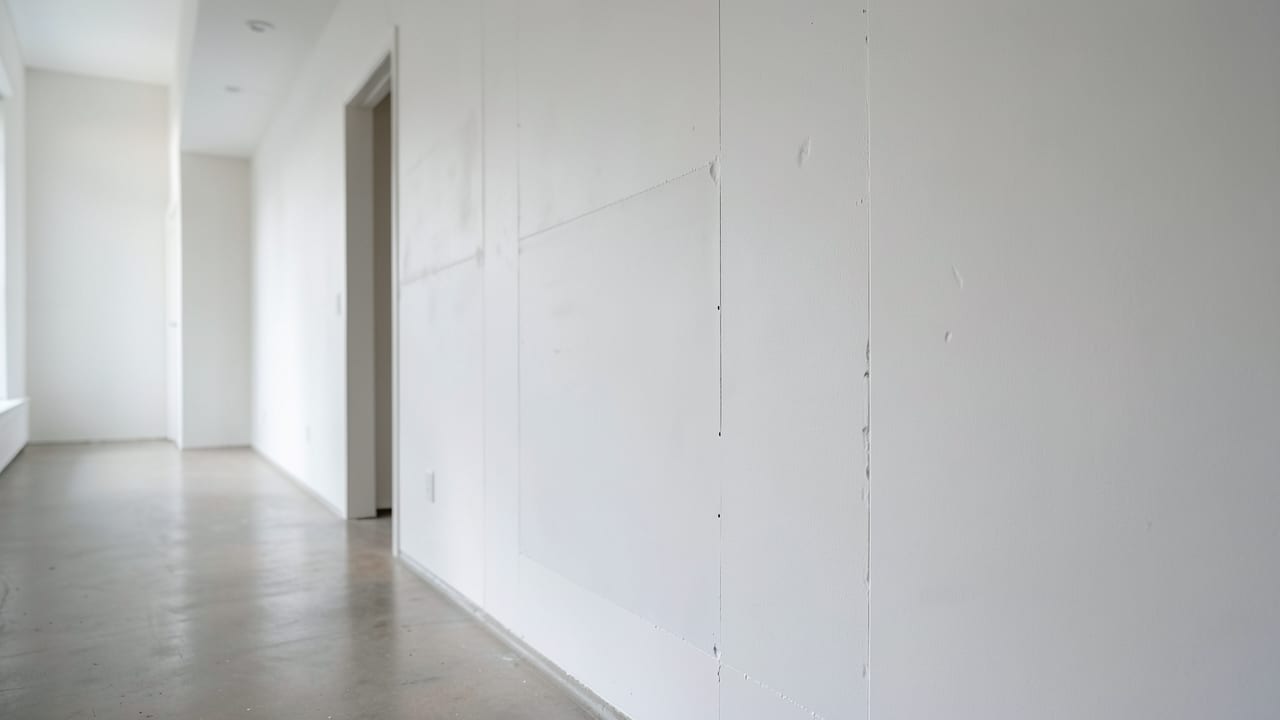
Drywall Mold Remediation in Pacific Beach, CA
Professional removal and treatment of mold growth behind or on drywall surfaces.
Learn More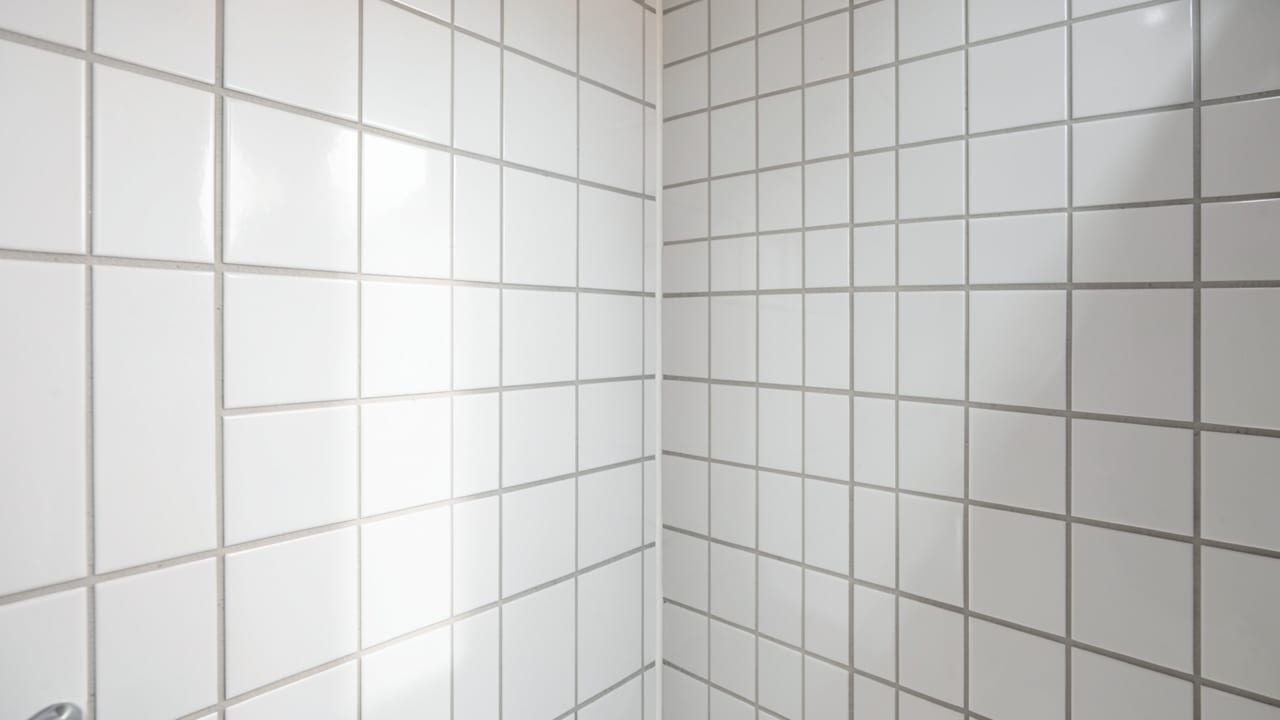
Bathroom Mold Removal in Pacific Beach, CA
Professional assessment and removal of mold in bathrooms to restore a safe, clean environment.
Learn More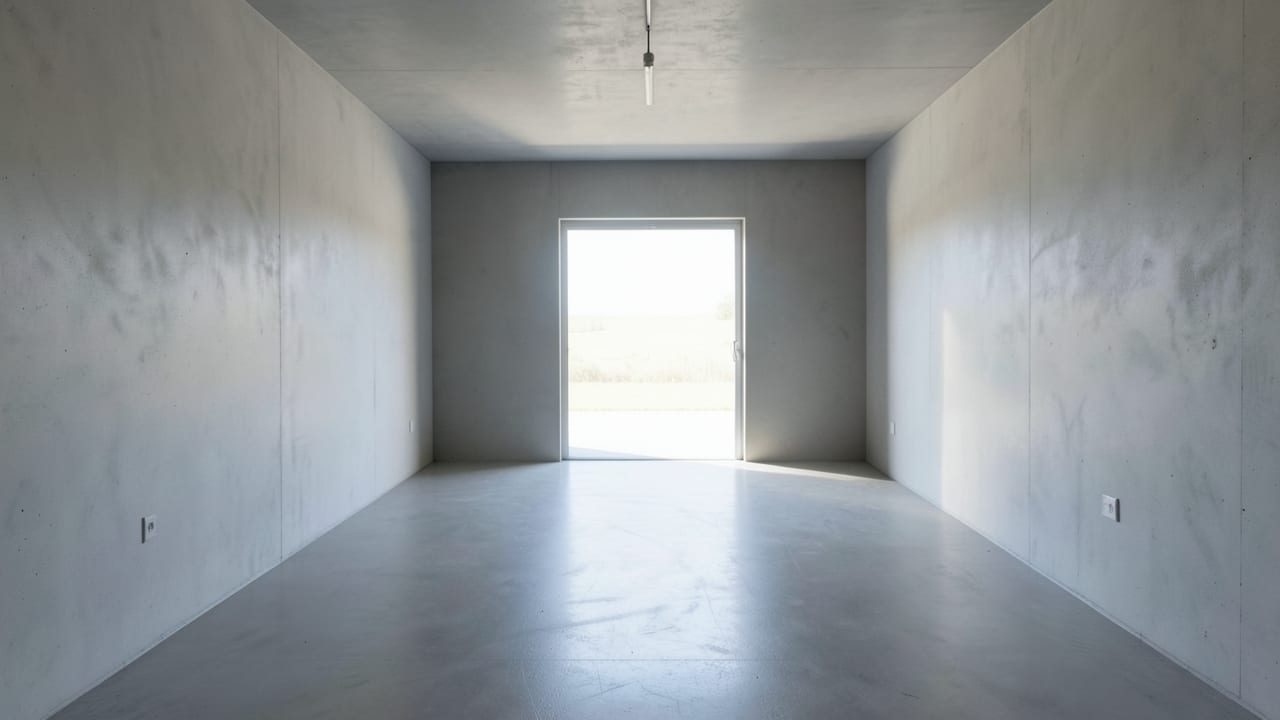
Garage Mold Removal in Pacific Beach, CA
Professional assessment and removal of mold growth in garages to restore a safe, clean space.
Learn More
Laundry Room Mold Cleanup in Pacific Beach, CA
Professional mold removal and remediation in laundry rooms to restore a safe, clean space.
Learn More
Plaster Mold Remediation in Pacific Beach, CA
Professional removal and treatment of mold from plaster surfaces in homes.
Learn More
Flood Damage Mold Remediation in Pacific Beach, CA
Professional mold removal and remediation after flood damage in homes.
Learn MoreCommon Questions About Mold Remediation in Pacific Beach
Everything you need to know about mold remediation services in Pacific Beach
How much does Post-Remediation Sealing typically cost in Pacific Beach, CA?
Does coastal humidity around Pacific Beach, CA change how mold risk is assessed?
Does homeowners insurance typically cover mold remediation?
Is black mold actually more dangerous than other mold types?
How long does a typical mold remediation job take?
Is it safe to stay in the home during mold remediation?
Need Mold Remediation in Pacific Beach?
Connect with local providers in Pacific Beach for a detailed quote.
⏰ We answer your call • Serving all of Pacific Beach and surrounding areas