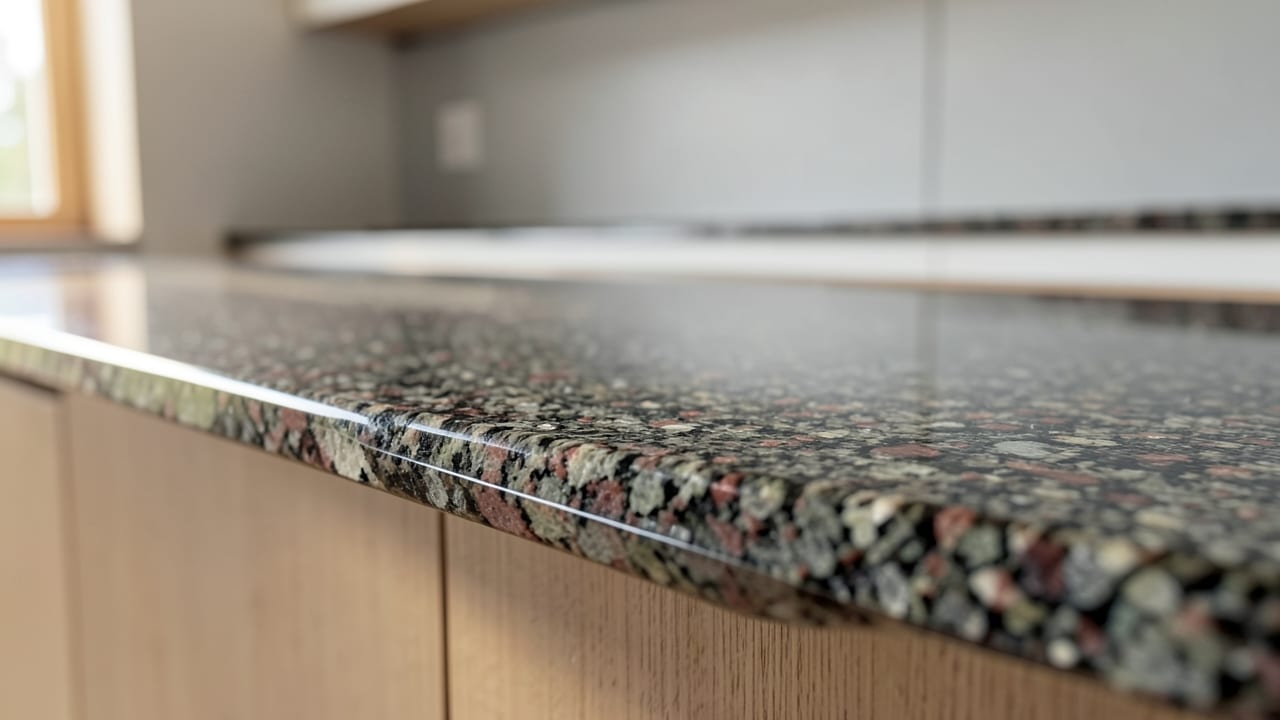
Stone Countertop Mold Removal
Professional removal of mold from stone countertops using specialized cleaning and treatment methods.
Stone countertop mold removal in Pacific Beach targets fungal growth on natural or engineered stone surfaces like granite, marble, or quartz. Unlike porous materials, stone requires careful deep cleaning with mold-specific solutions to eliminate spores and prevent regrowth without damaging the finish.
Proper containment and HEPA filtration ensure spores don’t spread to unaffected areas during treatment.
We also handle Vinyl Flooring Mold Treatment and Metal Ductwork Mold Remediation for Pacific Beach properties.
When to call for stone countertop mold removal
Mold on stone countertops often starts as small, discolored patches but can spread quickly if moisture persists. If you notice mold covering more than a few square inches, returning after cleaning, or accompanied by a musty smell, it’s likely past the DIY stage.
Stone surfaces, especially sealed ones, can trap mold spores deep within the material, making professional remediation necessary to avoid long-term damage.
Hidden moisture sources—like leaks under sinks, condensation from poor ventilation, or humidity trapped behind appliances—often cause recurring mold. Without addressing these, even thorough cleaning may not prevent regrowth.
In Pacific Beach’s humid climate, stone countertops in kitchens, bathrooms, or laundry rooms are particularly vulnerable, especially if they’re near water sources or lack proper airflow.
Signs Your Stone Countertop Needs Professional Mold Removal
- Mold covers more than 25 contiguous square feet (a threshold where DIY methods often fail).
- Discoloration or spots return within weeks after cleaning, even with bleach or commercial cleaners.
- A musty odor persists in the room, even when no visible mold is present—this often indicates hidden growth.
- The affected area is near a known moisture source (e.g., under a sink, behind a fridge, or in a steamy bathroom).
- The stone surface feels damp or cool to the touch, suggesting trapped moisture feeding mold regrowth.
What affects pricing and timeline for your project
Pricing for stone countertop mold removal in Pacific Beach depends on the size of the affected area, the type of stone, and whether additional treatments (like resealing or refinishing) are needed.
Unlike flat-rate services, most providers give a project-specific quote after inspecting the scope, as hidden factors—such as subfloor moisture or HVAC involvement—can change the work required.
Timelines also vary. Containment, HEPA filtration, and clearance testing add time to the process, but these steps are critical to ensure spores don’t spread. A small, isolated patch might take a day, while larger or complex jobs (like mold behind cabinetry) could require multiple days to fully remediate and dry.
| Factor | Typical Impact on Cost or Time |
|---|---|
| Square footage affected | Larger areas require more containment, labor, and materials—prices scale with size. |
| Type of stone (granite, marble, quartz) | Marble and soft stones may need gentler solutions, increasing labor time. |
| Hidden moisture sources (e.g., subfloor leaks) | Requires structural drying and potential demolition, raising costs. |
| Need for post-remediation resealing or refinishing | Adds to the total project cost if the finish is compromised. |
| HVAC or ductwork involvement | Extended containment and HEPA filtration periods may be needed. |
Why containment and testing matter
During stone countertop mold removal, containment—using plastic sheeting and negative-air machines—prevents spores from drifting into other parts of your home. Without this, a contained job can quickly become a whole-house issue, requiring far more extensive (and expensive) cleanup.
HEPA air scrubbers and vacuums are used throughout the process to capture spores that become airborne during removal.
Clearance testing, performed by an independent third party, confirms that spore levels return to normal after remediation. This step is often overlooked but is essential: without it, you won’t know if the mold was fully addressed or if hidden growth remains.
In Pacific Beach’s tight-knit neighborhoods, thorough testing also protects adjacent properties from cross-contamination.
A breach in containment—like an open door or torn plastic—lets spores escape into unaffected areas. Similarly, using non-HEPA equipment recirculates spores instead of capturing them. Without clearance testing, you risk assuming the job is done while hidden mold lingers, leading to recurrence.
How stone countertop mold removal works
This process balances deep cleaning with containment to eliminate mold while protecting your home’s air quality.
- 1Containment Setup
Plastic sheeting seals the work area, and negative-air machines create a vacuum that pulls spores away from the rest of your home. This prevents cross-contamination while the crew works.
- 2Deep Cleaning with Mold-Specific Solutions
Non-abrasive, mold-killing solutions are applied to the stone surface, targeting spores without damaging the finish. For heavily affected areas, the solution may need to dwell for 15–30 minutes before scrubbing.
- 3HEPA Filtration and Vacuuming
During and after cleaning, HEPA-filtered air scrubbers run continuously to capture airborne spores. Surfaces are vacuumed with HEPA tools to prevent spores from settling back onto treated areas.
- 4Structural Drying (If Needed)
If moisture is trapped in subflooring or framing, industrial dehumidifiers and air movers dry the area to prevent regrowth. Moisture readings are taken to confirm the space is fully dried.
- 5Clearance Testing
An independent lab tests air or surface samples to verify spore counts are back to normal. Only after clearance is confirmed is the containment removed, and the area considered complete.
Frequently asked questions
Can I clean mold off my stone countertop myself, or should I call a professional?
Small, isolated patches (under 10 square feet) can sometimes be cleaned with a vinegar or hydrogen peroxide solution, but stone surfaces—especially sealed ones—often trap mold deep within. If the mold returns quickly or covers a larger area, professional remediation ensures spores are fully eliminated and the moisture source is addressed.
Will the remediation process damage my stone countertop’s finish?
Professional mold removal uses pH-neutral, non-abrasive solutions designed for stone. However, heavily stained or porous stones (like some marbles) may require refinishing afterward. Always ask if the provider includes post-treatment resealing in their quote.
How long until my kitchen or bathroom is safe to use after mold removal?
Containment typically stays up for 24–48 hours while HEPA filtration runs and surfaces dry. Clearance testing may add another day. Avoid using the space until the crew confirms it’s safe, as lingering spores or dampness can cause recurrence.
What should I do to prevent mold from coming back on my stone countertops?
Fix the moisture source first—repair leaks, improve ventilation, and use dehumidifiers in damp areas. For stone surfaces, reseal them annually (or as recommended by the manufacturer) to create a moisture-resistant barrier. Regularly wipe down countertops with a mild cleaner to prevent buildup.
See Bird Rock, CA for more, or take a look at everything on offer in Pacific Beach in detail for our complete lineup.
Ready to get started?
Talk to a local mold remediation pro in Pacific Beach — get a written quote.
Other Mold Remediation Services in Pacific Beach
Vinyl Flooring Mold Treatment in Pacific Beach, CA
Professional mold treatment and removal for vinyl flooring in homes.
Learn More
Metal Ductwork Mold Remediation in Pacific Beach, CA
Professional removal of mold from metal ductwork to restore indoor air quality.
Learn More
Balcony Mold Cleanup in Pacific Beach, CA
Professional removal and treatment of mold growth on balconies and adjacent structures.
Learn More
Sunroom Mold Remediation in Pacific Beach, CA
Professional removal and treatment of mold in sunrooms to restore a safe, clean space.
Learn More
Closet Mold Cleanup in Pacific Beach, CA
Professional cleanup and removal of mold from closets to restore safe, healthy spaces.
Learn More
HOA Mold Remediation in Pacific Beach, CA
Professional mold removal and remediation for HOA properties to restore safe, healthy living conditions.
Learn MoreCommon Questions About Mold Remediation in Pacific Beach
Everything you need to know about mold remediation services in Pacific Beach
How much does Stone Countertop Mold Removal typically cost in Pacific Beach, CA?
Does coastal humidity around Pacific Beach, CA change how mold risk is assessed?
Does mold mean the same thing as mildew?
Does homeowners insurance typically cover mold remediation?
Is black mold actually more dangerous than other mold types?
How long does a typical mold remediation job take?
Need Mold Remediation in Pacific Beach?
Connect with local providers in Pacific Beach for a detailed quote.
⏰ We answer your call • Serving all of Pacific Beach and surrounding areas