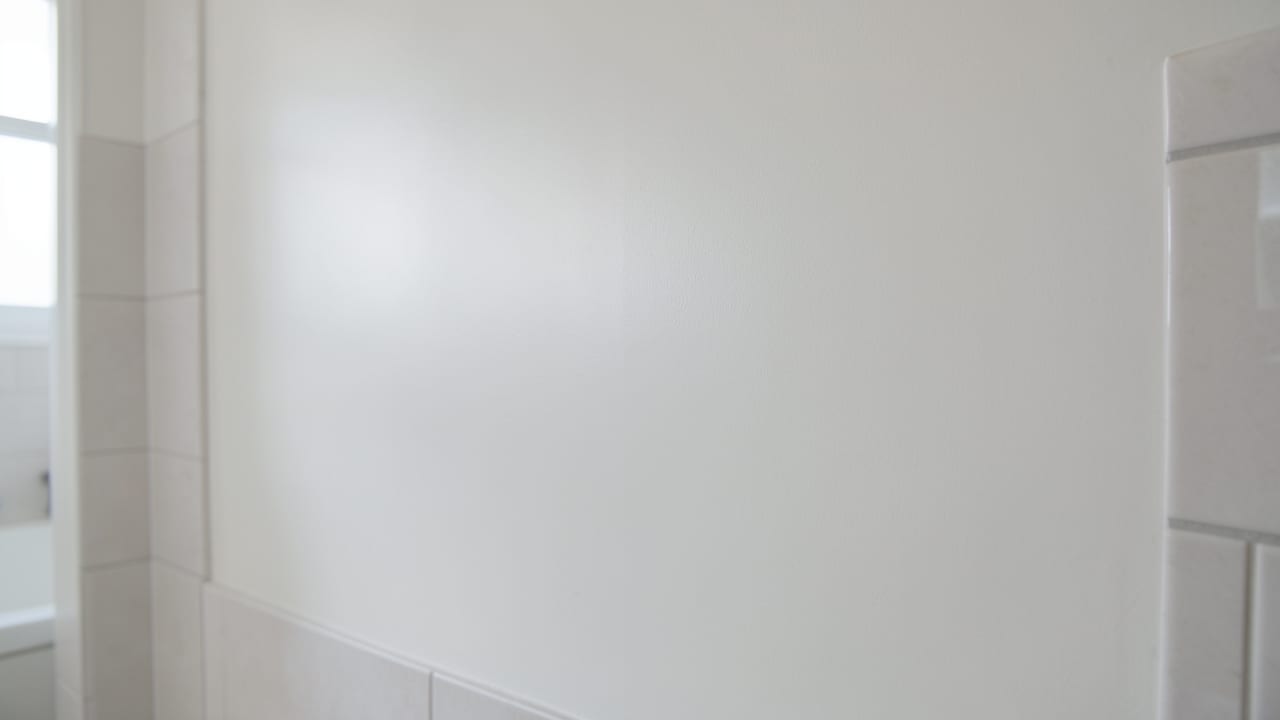
Pipe Leak Mold Removal
Professional removal of mold caused by pipe leaks in homes.
Pipe leak mold removal in Pacific Beach addresses fungal growth caused by hidden water damage behind walls, under floors, or in ceilings. The process involves fixing leaks, containing spores, removing contaminated materials, and drying structural components to prevent regrowth.
Proper remediation ensures safety and stops mold from spreading to unaffected areas of your home.
We also handle Hospital Mold Removal and Warehouse Mold Cleanup for Pacific Beach properties.
When to call for pipe leak mold removal
Pipe leak mold often hides behind surfaces, making it hard to spot until it’s already spread. Look for signs like persistent musty odors, visible mold patches larger than a few square feet, or mold returning after cleaning.
If you notice water stains, warped drywall, or condensation in enclosed spaces like closets or windowless bathrooms, these are warning signs of hidden moisture feeding mold growth.
A musty smell that worsens when your HVAC runs may indicate mold inside ductwork, while damp spots under sinks or near pipes suggest leaks feeding fungal growth. If mold keeps coming back in the same spot, the source of moisture likely hasn’t been addressed.
These signs mean the problem is beyond surface cleaning and requires professional remediation to prevent long-term damage.
Signs You Need Pipe Leak Mold Removal
- Mold covering more than a small, isolated patch (typically over 25 square feet).
- Musty odors with no visible mold, especially in enclosed or damp spaces.
- Mold returning after cleaning in the same location.
- Visible water damage, warped drywall, or persistent dampness near pipes or plumbing.
- A musty smell that gets stronger when the HVAC system turns on.
What affects pricing and timeline
The cost of pipe leak mold removal in Pacific Beach depends on the size of the affected area, the type of mold, and whether hidden moisture sources need repair. Confirmed black mold or extensive damage typically costs more due to the need for thorough containment, removal, and structural drying.
The timeline also varies—small, contained jobs may take a day, while large-scale remediation with hidden leaks can stretch over several days.
Additional factors include whether walls or flooring need to be opened for inspection, the need for third-party clearance testing, and whether the moisture source (like a leak or poor ventilation) requires repair. Always confirm whether a quote includes inspection, containment, removal, drying, and post-remediation testing to avoid unexpected costs.
What to expect during remediation
Professional pipe leak mold removal starts with identifying and fixing the moisture source to stop regrowth. The work area is sealed with plastic sheeting and negative-air machines to prevent spores from spreading.
Porous materials like drywall or insulation that can’t be cleaned are removed and disposed of safely, while non-porous surfaces are scrubbed and treated.
Industrial dehumidifiers and air movers dry structural components to normal moisture levels before the space is closed up. An independent clearance test confirms spore levels are back to normal before containment is removed. This step ensures the job is thorough and reduces the risk of hidden mold returning.
Skipping containment or using non-HEPA equipment can spread spores to unaffected areas. Removing mold without fixing the moisture source almost always leads to regrowth. Always verify that a contractor uses proper containment, HEPA filtration, and post-remediation testing.
How pipe leak mold removal works
This process ensures hidden mold is safely removed and moisture sources are fixed.
- 1Identify and Fix the Moisture Source
The first step is locating and repairing the pipe leak or other water intrusion to prevent mold from returning. This may involve opening walls or floors to access hidden damage.
- 2Contain the Affected Area
Plastic sheeting and negative-air machines seal off the work zone, trapping spores inside containment and preventing them from spreading to other parts of the home.
- 3Remove or Treat Contaminated Materials
Porous materials like drywall or insulation that can’t be cleaned are cut out and bagged, while non-porous surfaces are scrubbed and treated with antifungal solutions.
- 4Dry and Test the Space
Industrial dehumidifiers and air movers dry structural components to normal moisture levels. An independent clearance test confirms spore levels are safe before containment is removed.
- 5Restore and Monitor
The space is restored, and humidity levels are checked periodically to catch any early signs of recurrence. Addressing airflow or grading issues outside the home can also help prevent future mold growth.
Frequently asked questions
How do I know if my mold problem is from a pipe leak?
Look for water stains, warped drywall, or dampness near pipes, under sinks, or along baseboards. A musty smell that worsens when the HVAC runs may also indicate mold inside ductwork or behind walls, often linked to leaks.
Can I clean mold from a pipe leak myself?
Small, isolated patches can sometimes be cleaned with vinegar or a commercial mold killer, but hidden leaks or extensive growth require professional remediation. DIY cleaning often misses hidden mold and doesn’t address the moisture source, leading to regrowth.
Why does containment matter during mold removal?
Containment prevents spores from spreading to unaffected areas of your home. Without it, disturbing mold during removal can turn a small job into a larger, more costly cleanup across multiple rooms.
How long does it take to remediate pipe leak mold?
The timeline varies—small jobs may take a day, while large-scale remediation with hidden leaks can take several days. Factors like the size of the affected area, moisture source repairs, and drying time all play a role.
See Allied Gardens, CA for more, or check out the mold remediation work we do around Pacific Beach by service type for our complete lineup.
Ready to get started?
Talk to a local mold remediation pro in Pacific Beach — get a written quote.
Other Mold Remediation Services in Pacific Beach
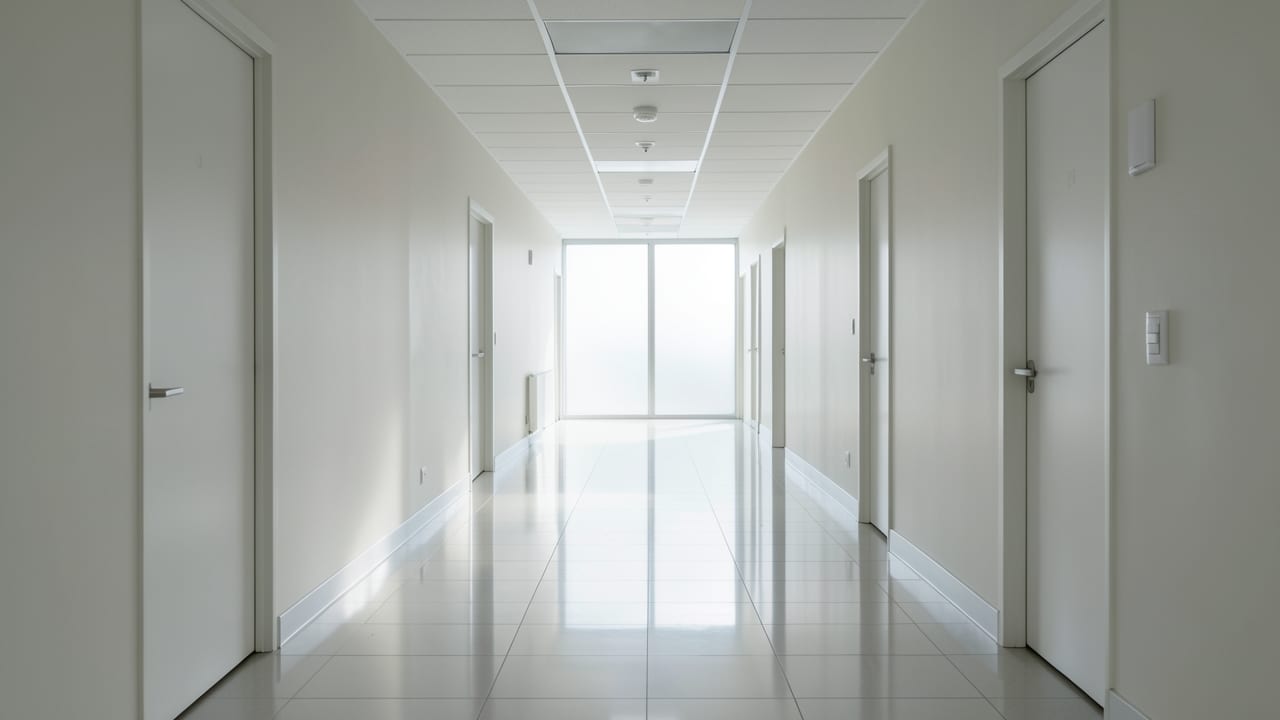
Hospital Mold Removal in Pacific Beach, CA
Professional assessment and removal of mold in hospitals to ensure a safe, healthy environment.
Learn More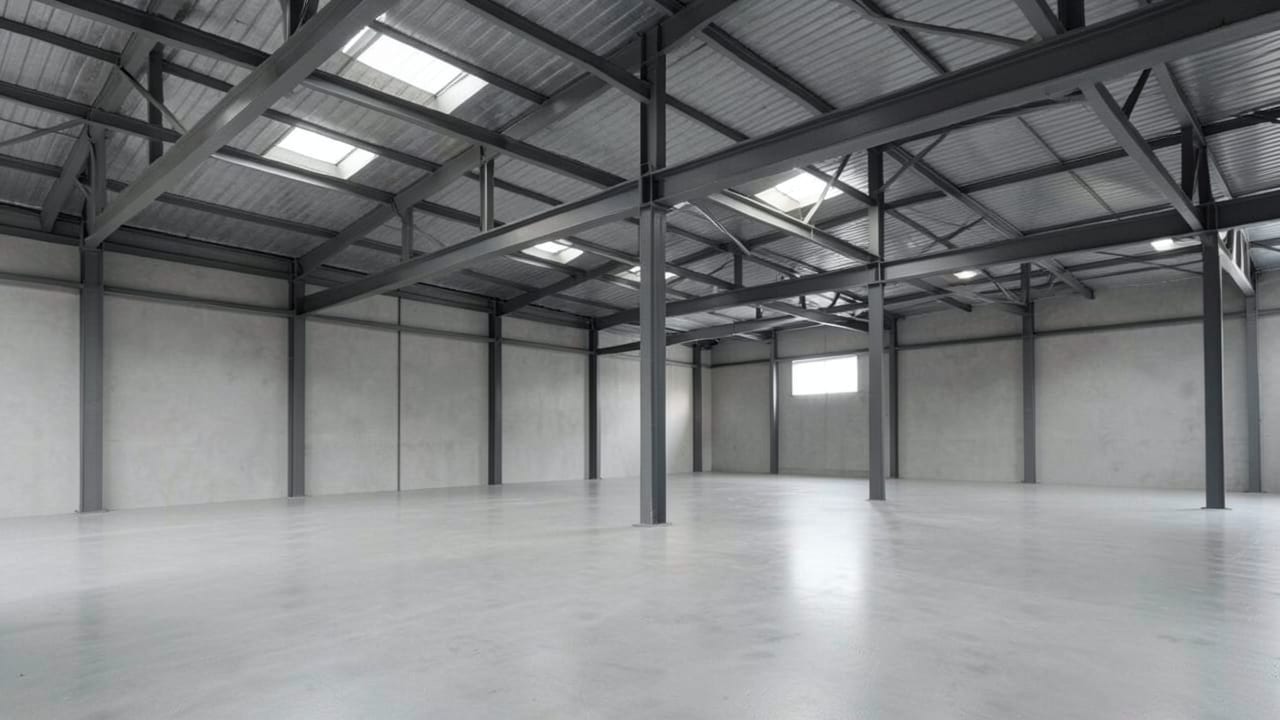
Warehouse Mold Cleanup in Pacific Beach, CA
Professional removal of mold from warehouse spaces to restore safe, clean conditions.
Learn More
Vinyl Flooring Mold Treatment in Pacific Beach, CA
Professional mold treatment and removal for vinyl flooring in homes.
Learn More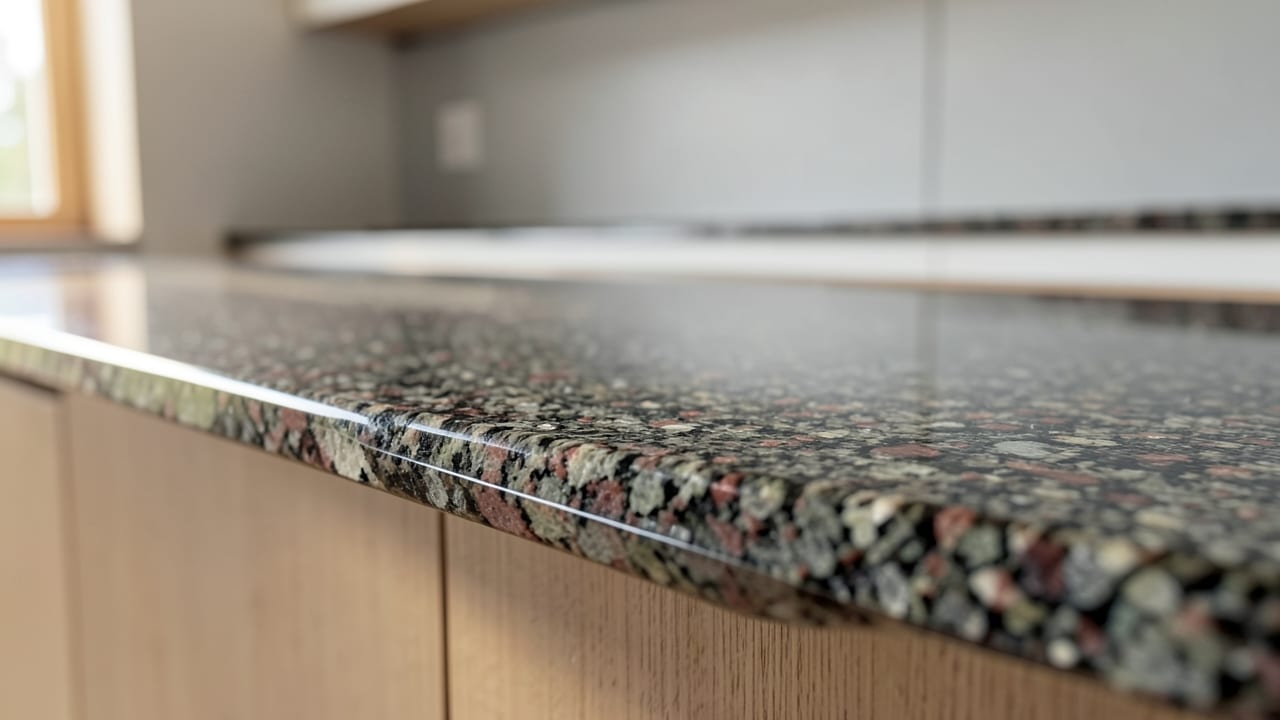
Stone Countertop Mold Removal in Pacific Beach, CA
Professional removal of mold from stone countertops using specialized cleaning and treatment methods.
Learn More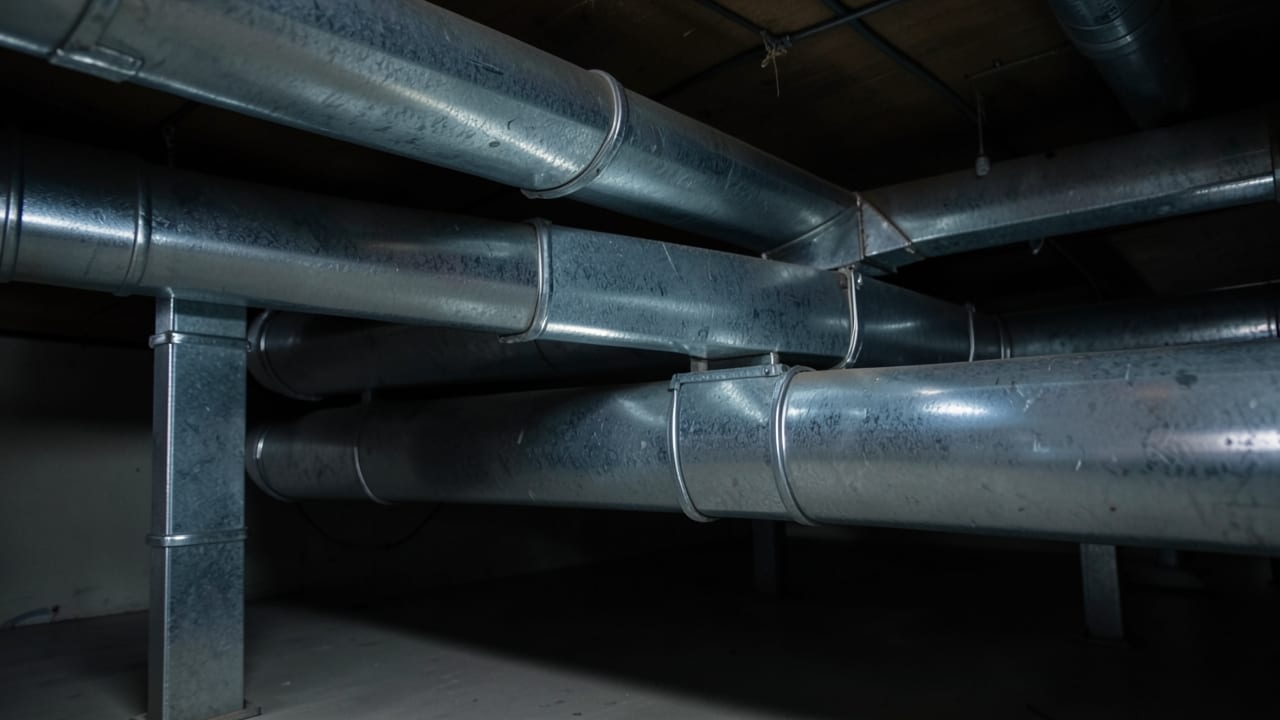
Metal Ductwork Mold Remediation in Pacific Beach, CA
Professional removal of mold from metal ductwork to restore indoor air quality.
Learn More
Balcony Mold Cleanup in Pacific Beach, CA
Professional removal and treatment of mold growth on balconies and adjacent structures.
Learn MoreCommon Questions About Mold Remediation in Pacific Beach
Everything you need to know about mold remediation services in Pacific Beach
How much does Pipe Leak Mold Removal typically cost in Pacific Beach, CA?
Does coastal humidity around Pacific Beach, CA change how mold risk is assessed?
How long does a typical mold remediation job take?
Is it safe to stay in the home during mold remediation?
Can small mold problems be handled without hiring anyone?
What's the actual difference between mold removal and mold remediation?
Need Mold Remediation in Pacific Beach?
Connect with local providers in Pacific Beach for a detailed quote.
⏰ We answer your call • Serving all of Pacific Beach and surrounding areas