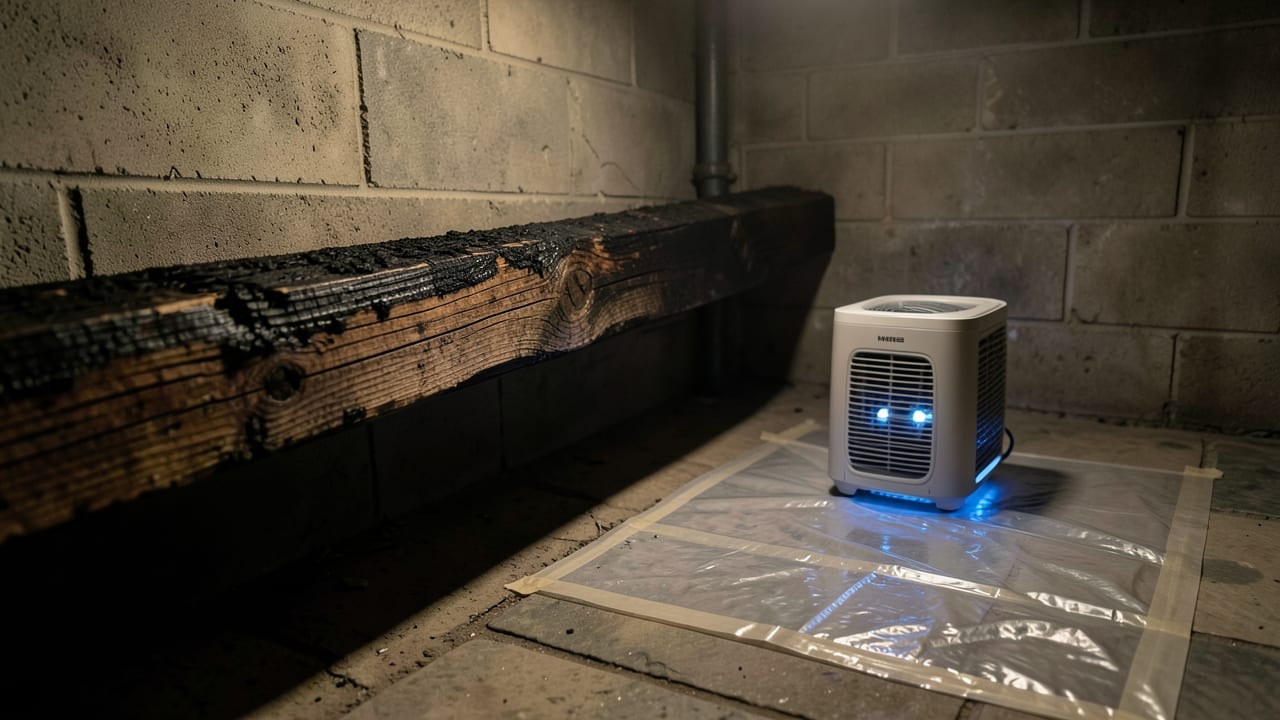
Fire Smoke Mold Remediation
Professional cleanup and restoration of fire, smoke, and mold damage in homes.
Fire, smoke, and mold damage in Pacific Beach homes can leave behind hidden threats if not addressed properly. Professional remediation involves containment, deep cleaning, and structural drying to remove soot, eliminate odors, and prevent mold regrowth—restoring your home to a safe, healthy condition without spreading contamination further.
When to call for help
Mold growth beyond a small patch, recurring after cleaning, or hidden behind walls signals a job too large for DIY methods. In California, any mold covering 25+ contiguous square feet typically requires a licensed contractor.
We also handle Storm Damage Mold Cleanup and Pre-Winter Mold Prevention for Pacific Beach properties.
Persistent musty odors—especially when HVAC runs—or damp spots in windowless rooms also indicate a deeper issue.
Fire and smoke damage often bring mold as a secondary problem, whether from firefighting water or leaks. If soot stains linger after wiping or odors remain after air fresheners, professional cleaning and deodorization are needed to fully restore surfaces and air quality.
Signs You Need Remediation
- Mold covering more than a small, isolated patch (California’s threshold: 25+ sq ft)
- Musty smells that worsen when HVAC runs or persist after cleaning
- Recurring mold in the same spot after multiple cleanings
- Visible water damage or dampness in hidden areas (walls, under flooring)
- Soot or smoke residue that won’t wash off surfaces
What affects cost and scope
Pricing for fire and smoke cleanup in Pacific Beach typically ranges $240–$1,440 per affected room, based on soot removal, deodorization, and surface treatment. Mold remediation is priced separately, depending on containment needs, material removal, and clearance testing. Hidden moisture sources or structural damage increase costs.
Containment, HEPA filtration, and clearance testing are often billed separately. A full quote should specify square footage, moisture source fixes, and whether third-party lab testing confirms clearance. Skipping these steps can lead to higher long-term costs if mold returns.
What to watch for in a quote
A clear, written scope of work protects against unexpected costs. Avoid bids that exclude containment, clearance testing, or moisture source repairs—these are critical to preventing regrowth. Pressure to sign during the inspection visit or upfront payment demands are red flags.
Hidden mold discovered during demolition can lead to change orders. Always confirm whether the quote includes third-party lab testing to verify clearance. Licensing for mold work in California falls under the Contractors State License Board (CSLB) for jobs over $500.
Red Flags in a Quote
- No written, itemized scope of work provided upfront
- Pressure to sign during the inspection visit
- Full payment requested before any work begins
- No mention of post-remediation clearance testing
- Vague area estimates (e.g., ‘whole house’ without square footage)
How fire, smoke, and mold remediation works
Professional remediation follows strict containment and cleaning protocols to prevent cross-contamination.
- 1Containment
Plastic sheeting and negative-air machines seal the work area to trap spores. This keeps airborne particles from spreading to unaffected rooms during cleanup.
- 2Material Removal and Cleaning
Porous materials like drywall or carpet padding—absorbed with mold—are cut out and bagged. Non-porous surfaces (framing, tile) are scrubbed and treated to prevent regrowth.
- 3HEPA Filtration and Drying
HEPA air scrubbers and vacuums capture spores during removal. Industrial dehumidifiers and air movers dry structural materials to normal moisture levels before reclosing the space.
- 4Clearance Testing
An independent lab test confirms spore counts return to normal levels. This step ensures the remediation was effective before containment is removed.
Frequently asked questions
Can I clean up mold myself if it’s a small area?
For patches under 25 square feet, California allows DIY cleanup with proper ventilation and protective gear. However, if mold keeps returning or you suspect hidden growth, professional remediation is safer to prevent further damage.
Why does my home still smell like smoke after cleaning?
Smoke odors often linger because soot particles embed deeply in materials. Professional deodorization uses industrial-grade cleaners and air scrubbers to neutralize odors trapped in walls, carpets, and HVAC systems.
How do I know if my HVAC system has mold?
A musty smell that worsens when the HVAC runs or visible mold in ductwork are clear signs. Professional inspection and duct cleaning may be needed to fully remove contamination.
What should I do if mold comes back after remediation?
Recurring mold usually means the moisture source wasn’t fixed. Check for leaks, poor ventilation, or grading issues near the foundation. A follow-up inspection can identify and address the root cause.
See Del Mar Mesa, CA for more, or explore every option available in Pacific Beach on a single page for our complete lineup.
Ready to get started?
Talk to a local mold remediation pro in Pacific Beach — get a written quote.
Other Mold Remediation Services in Pacific Beach
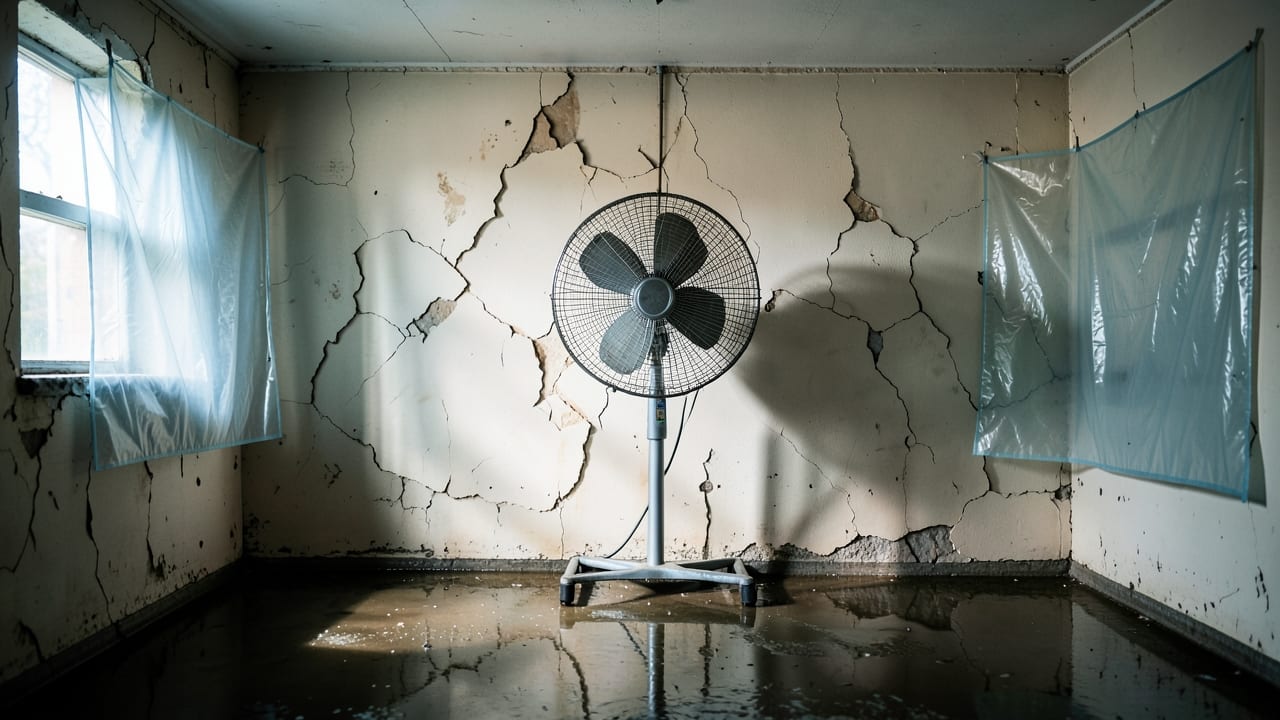
Storm Damage Mold Cleanup in Pacific Beach, CA
Professional cleanup and remediation of mold caused by storm-related water damage in homes.
Learn More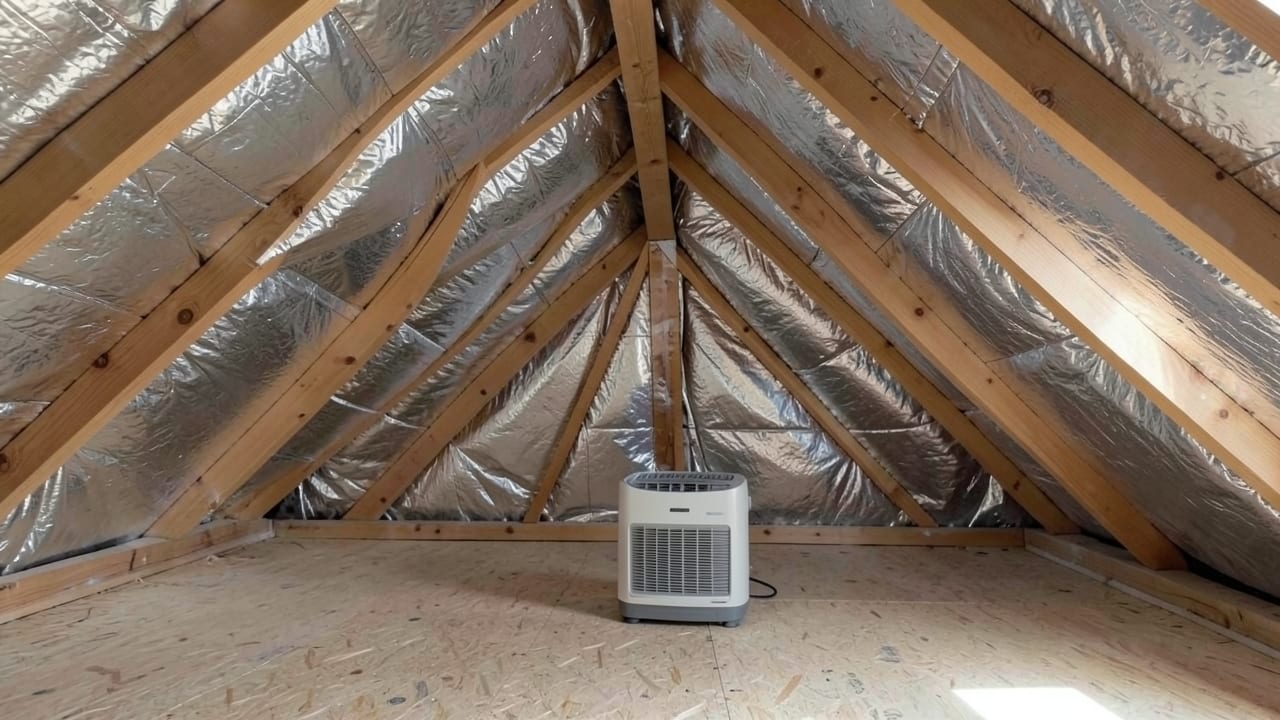
Pre-Winter Mold Prevention in Pacific Beach, CA
Pre-winter mold prevention involves inspection and treatment to stop mold growth before cold weather.
Learn More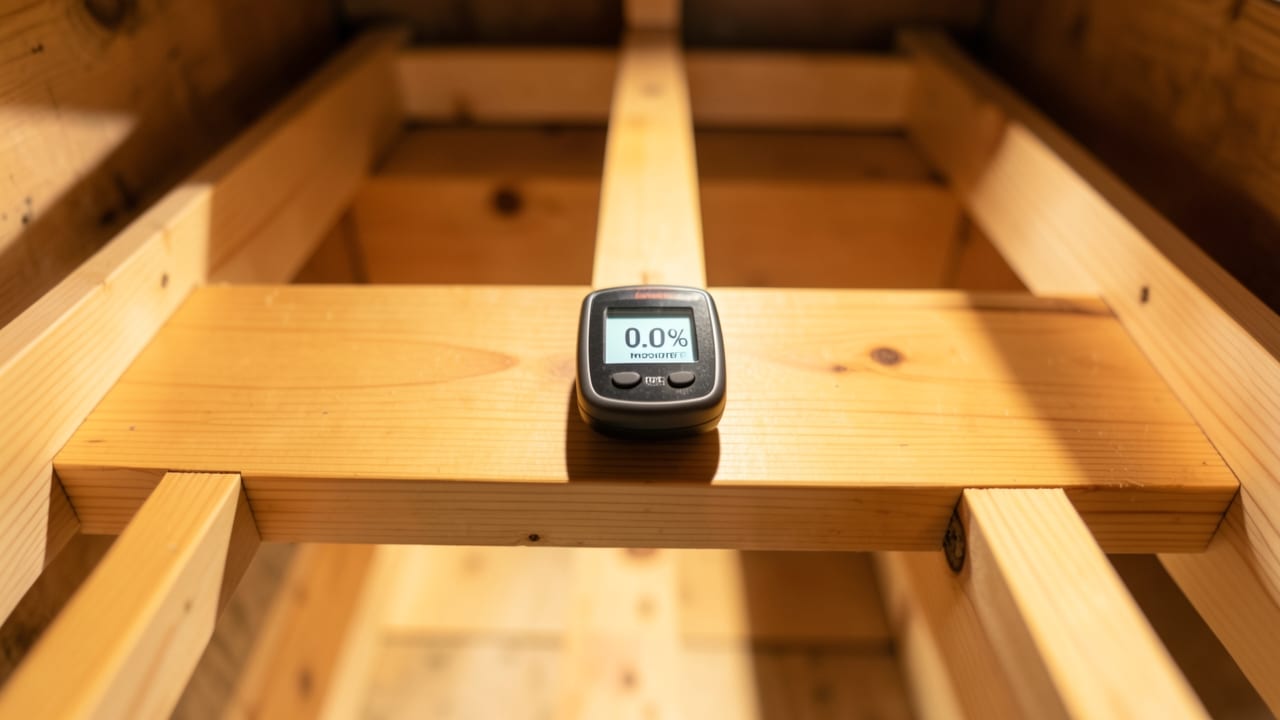
Spring Mold Inspection in Pacific Beach, CA
Professional assessment and identification of mold growth in homes.
Learn More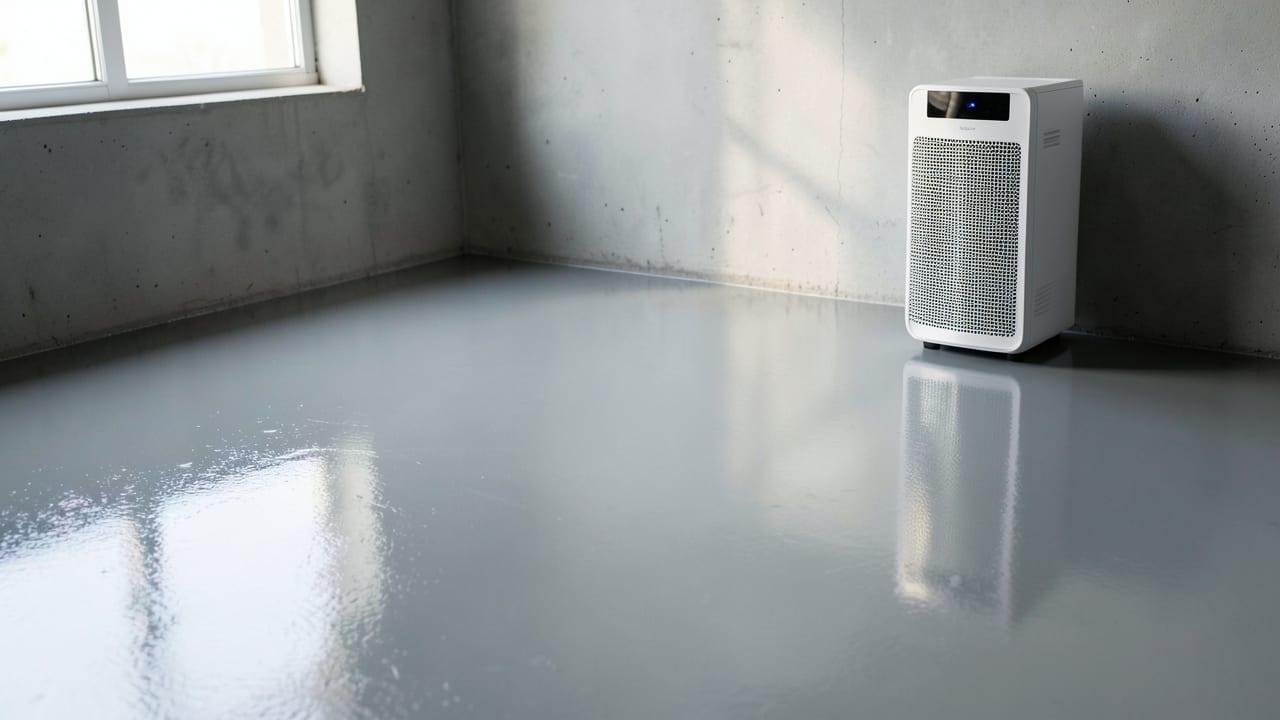
Post-Remediation Sealing in Pacific Beach, CA
Applying protective sealants to surfaces after mold remediation to prevent future growth.
Learn More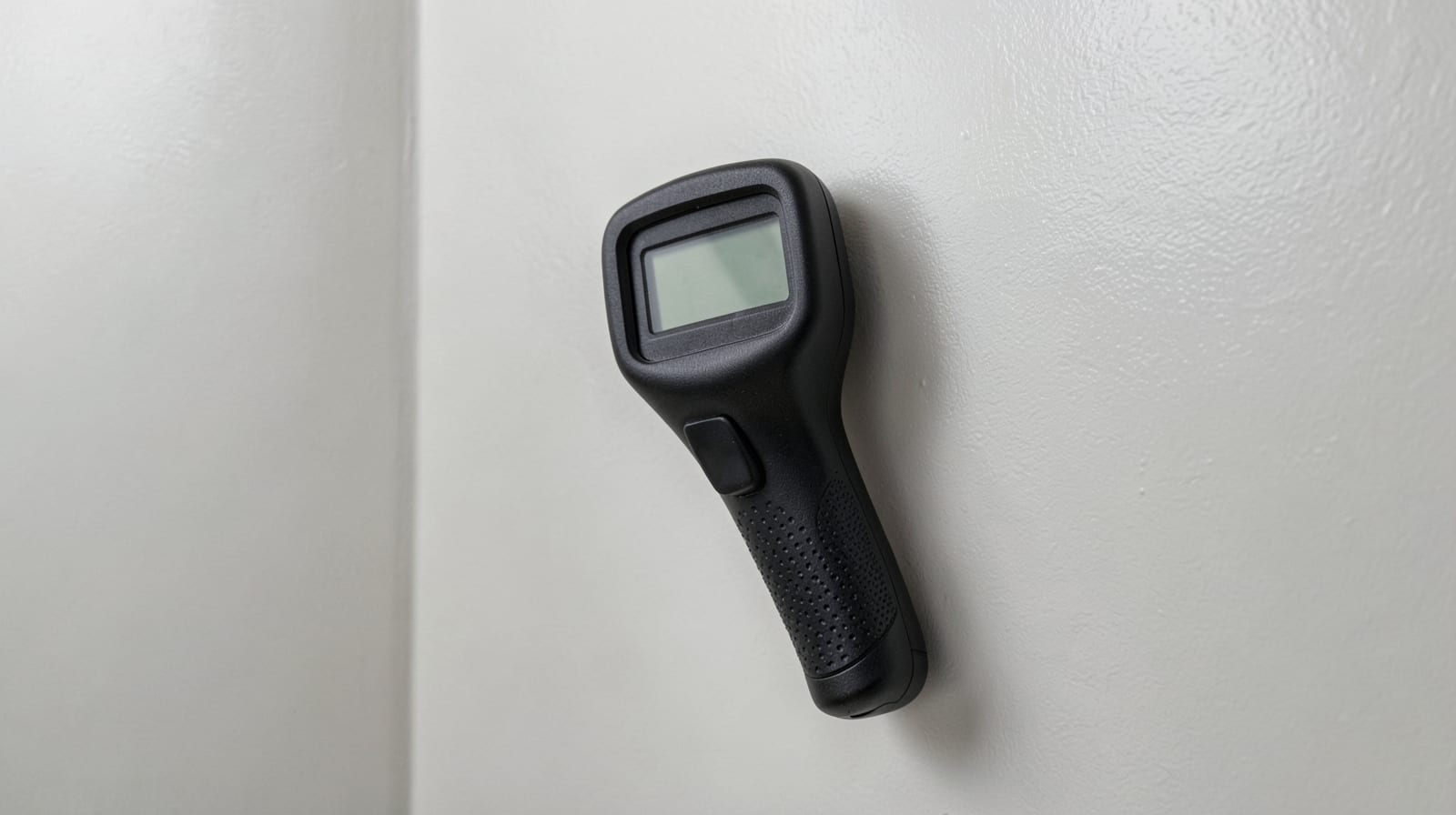
Mold Inspection in Pacific Beach, CA
Mold inspection in Pacific Beach, CA — a visual and moisture-meter assessment that finds the source of growth, not just the visible spot on the wall.
Learn More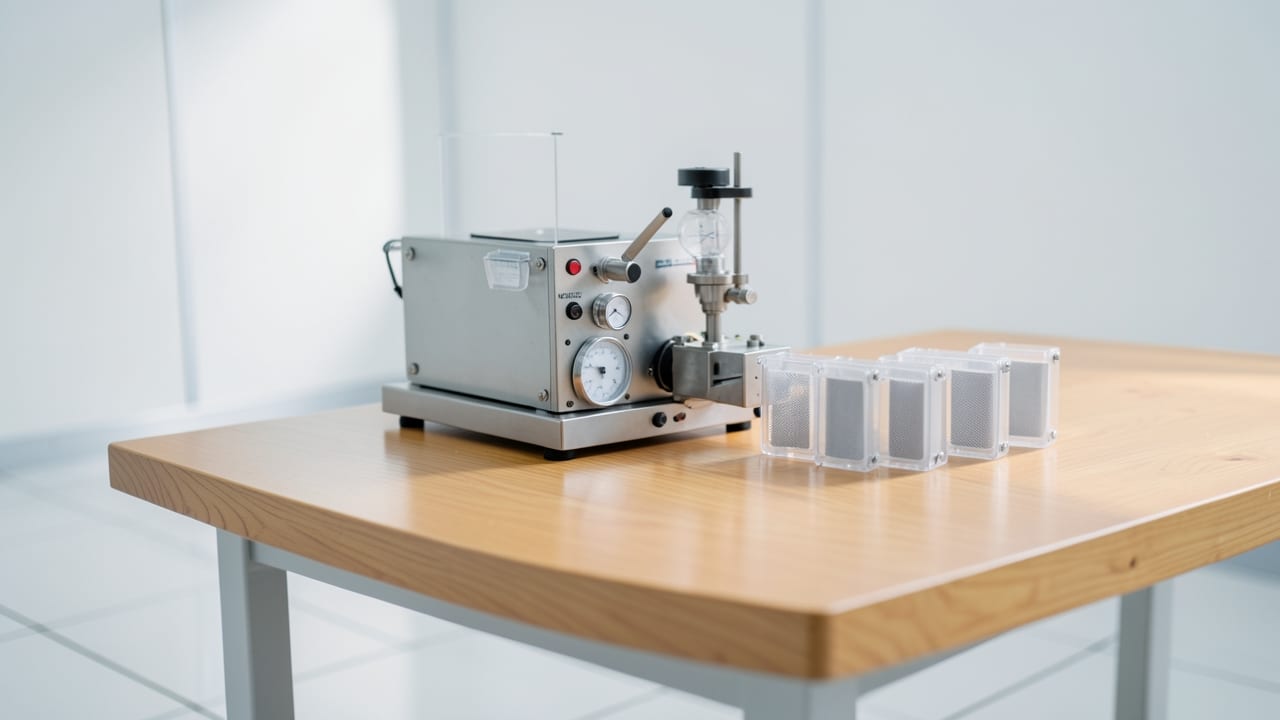
Mold Testing & Air Quality Testing in Pacific Beach, CA
Mold and indoor air quality testing in Pacific Beach, CA — lab-analyzed air and surface samples confirm what's actually growing and whether it's airborne.
Learn MoreCommon Questions About Mold Remediation in Pacific Beach
Everything you need to know about mold remediation services in Pacific Beach
How much does Fire Smoke Mold Remediation typically cost in Pacific Beach, CA?
Does coastal humidity around Pacific Beach, CA change how mold risk is assessed?
Is it safe to stay in the home during mold remediation?
Can small mold problems be handled without hiring anyone?
What's the actual difference between mold removal and mold remediation?
Is a final clearance test part of a typical mold remediation job?
Need Mold Remediation in Pacific Beach?
Connect with local providers in Pacific Beach for a detailed quote.
⏰ We answer your call • Serving all of Pacific Beach and surrounding areas